

Modern music has transformed dramatically over the past century, evolving from communal sounds to deeply personal, algorithm-shaped experiences.
It started in the early 20th century with jazz, born in New Orleans from African American innovation. Its improvisational energy and rhythmic freedom quickly spread through radio and dance halls. The 1950s brought rock 'n' roll-a cultural explosion. Elvis Presley's charisma, Chuck Berry's guitar riffs, and Little Richard's raw power gave teenagers a voice of rebellion against post-war restraint.
The 1960s deepened the revolution. The Beatles progressed from catchy pop to psychedelic experimentation; Bob Dylan electrified folk with protest anthems; Jimi Hendrix made the guitar scream with cosmic intensity. Motown polished soul into mainstream elegance, proving Black excellence could dominate global charts.
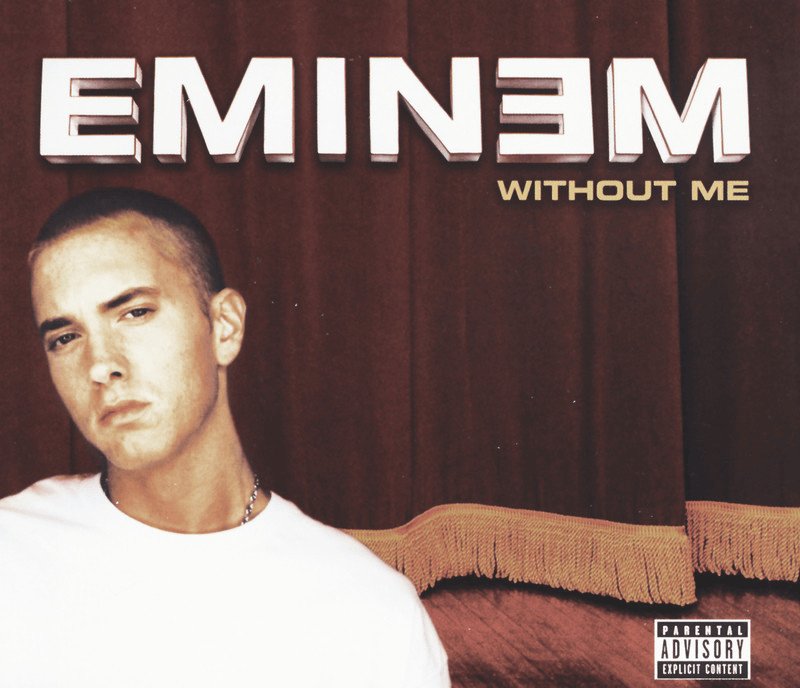
The 1970s and 1980s introduced technological disruption. Disco pulsed through dance floors; punk rejected excess with fury; hip-hop rose from Bronx streets, turning turntables into instruments and lyrics into poetry. Affordable synthesizers and sampling democratized creation.
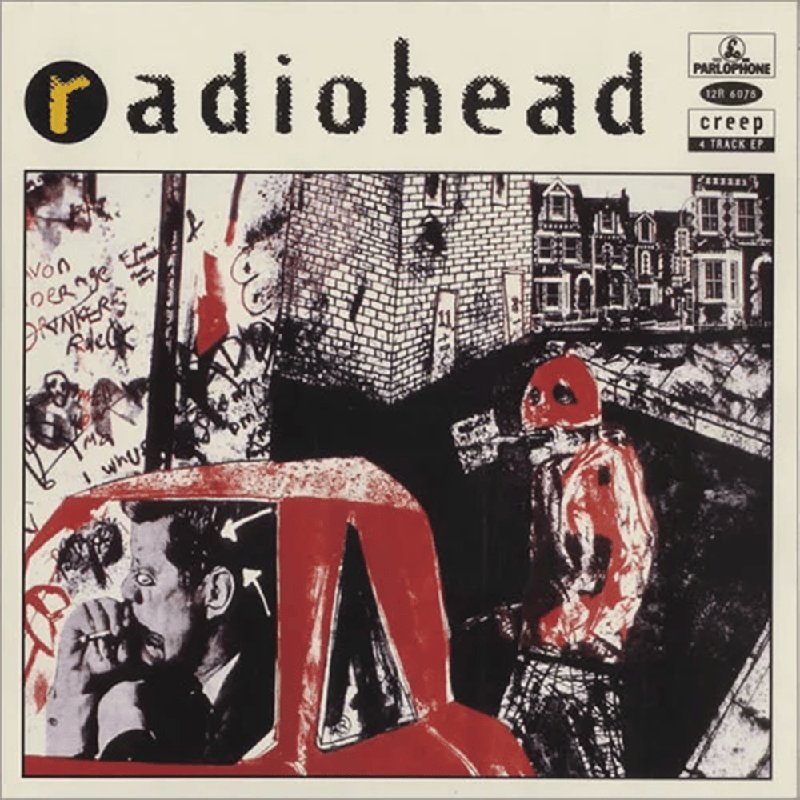
The internet era shattered old structures. Napster freed music from physical formats; MySpace empowered bedroom artists; YouTube turned fans into curators. Genres fragmented and fused: grunge, trip-hop, hyperpop, amapiano, drill.
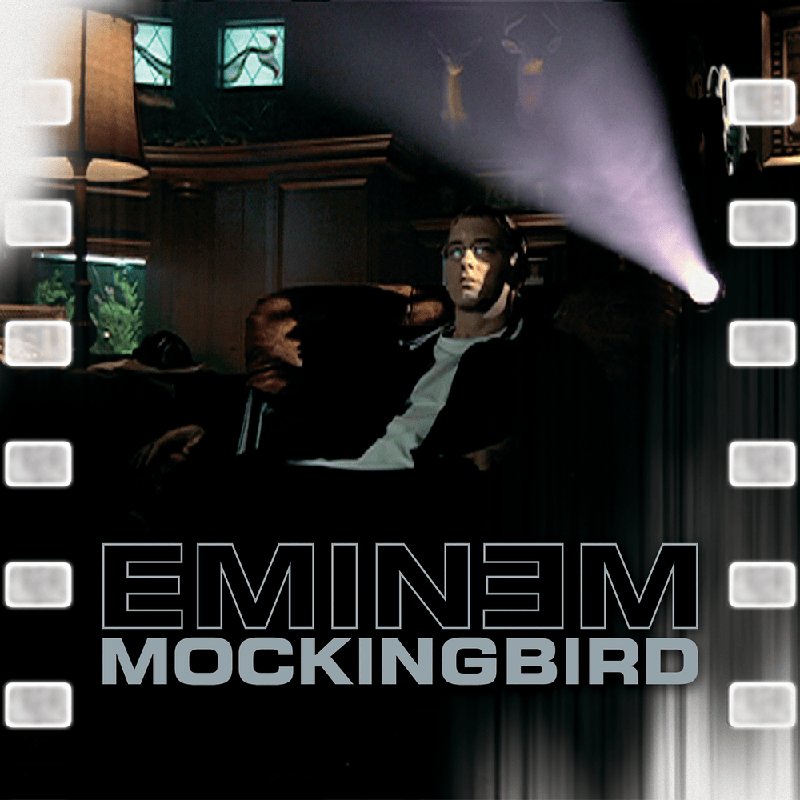
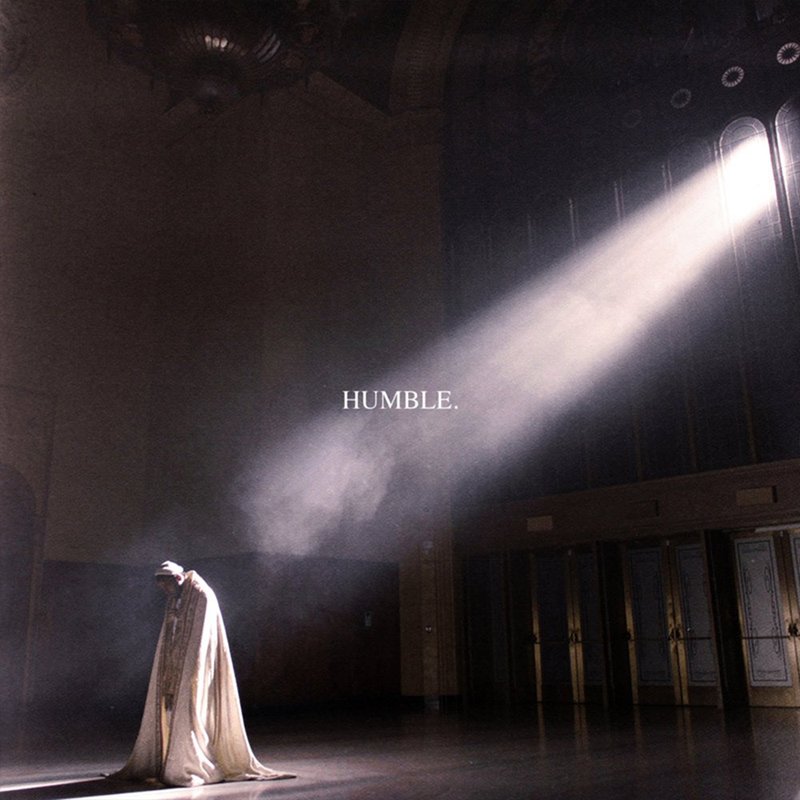
Today, streaming algorithms and TikTok virality dominate. Artists like Billie Eilish, Bad Bunny, and NewJeans succeed without traditional gatekeepers. Music remains a mirror of the soul-capturing joy, rage, longing, and everything in between.

Latest News
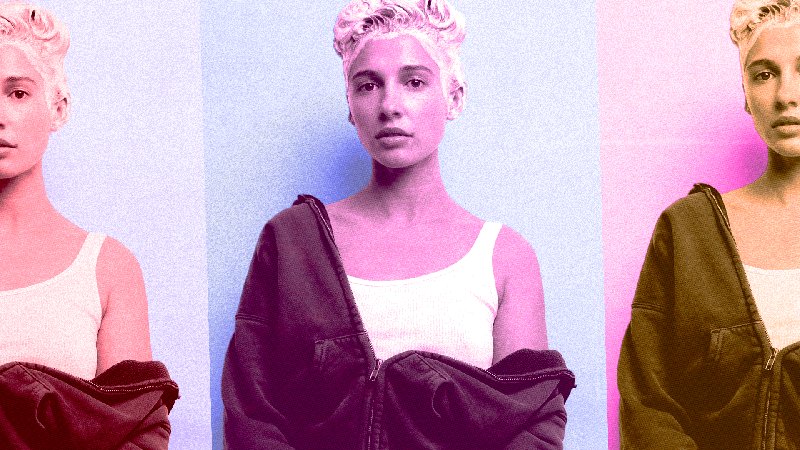
Naomi Scott Draws From Gospel Roots, Considers Roads Not Taken On Debut Album ‘F.I.G’
British vocalist and composer Naomi Scott was raised in an environ...
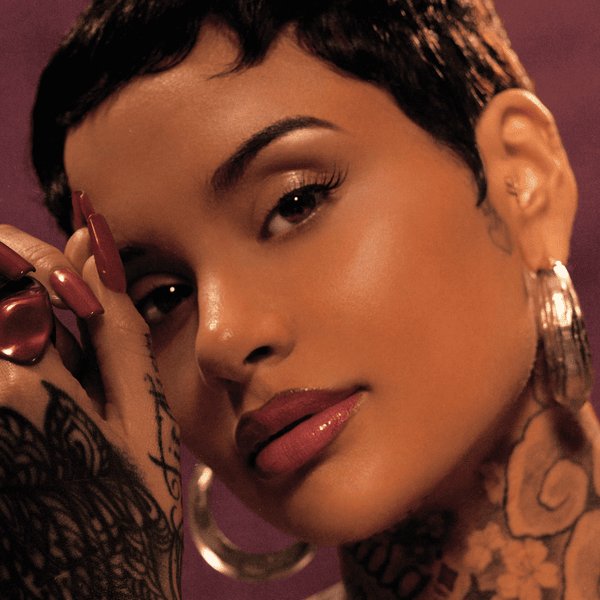
Kehlani Announces Self-Titled Album Due Out April 24
Kehlani, a standout artist who has helped shape the R&B landsc...
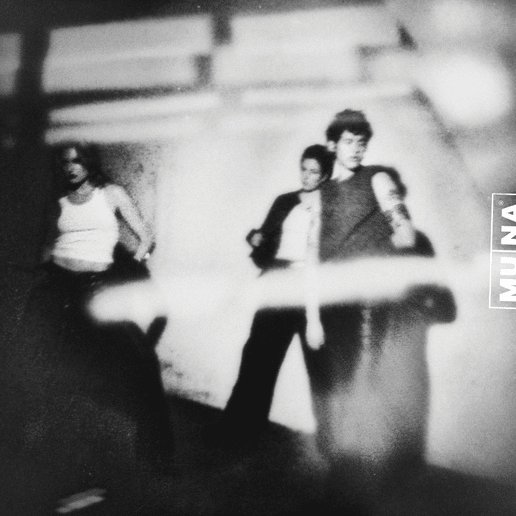
MUNA Don’t Need Validation From Fancy Parties On New Song “So What”
Indie-pop outfit MUNA have returned today with “So What,” the seco...
Featured Videos
Frequently Asked Questions
Recommended Articles
Naomi Scott Draws From Gospel Roots, Considers Roads Not Taken On Debut Album ‘F.I.G’
British vocalist and composer Naomi Scott was raised in an environment deeply rooted in musical ...
Read More →Kehlani Announces Self-Titled Album Due Out April 24
Kehlani, a standout artist who has helped shape the R&B landscape throughout the past ten ye...
Read More →MUNA Don’t Need Validation From Fancy Parties On New Song “So What”
Indie-pop outfit MUNA have returned today with “So What,” the second track unveiled from their u...
Read More →